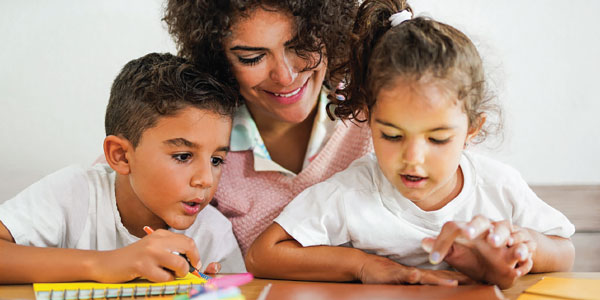
Parents are a child’s first and most important teachers. Research consistently shows that when families are involved in their children’s education, students are more likely to earn better grades, attend school regularly, and feel confident in the classroom.
Being an advocate doesn’t mean having all the answers—it means asking questions, staying informed, and working together with your child’s school.
Build Strong Relationships
Take time to introduce yourself to your child’s teacher, school counselor, and principal. Attend back-to-school nights, parent-teacher conferences, and school events whenever possible. Building positive relationships early makes it easier to communicate if concerns arise later in the school year.
Stay Informed
Read school newsletters, check your district’s parent portal, and pay attention to messages sent home. If English isn’t your preferred language, don’t hesitate to request information in Spanish or ask for an interpreter. Schools are committed to helping families understand important information.
Ask Questions
If your child is struggling academically, socially, or emotionally, speak with their teacher as soon as possible. No concern is too small. Asking questions and seeking clarification helps ensure your child receives the support they need.
Encourage Learning at Home
You don’t have to be an expert in every subject to support your child’s education. Reading together, talking about their school day, establishing a homework routine, and celebrating their accomplishments all contribute to academic success. Showing interest in what your child is learning sends a powerful message that education matters.
Know Your Rights
Parents have the right to be informed about their child’s academic progress, attend conferences, request language assistance, and participate in decisions affecting their child’s education. If additional academic or learning support is needed, schools can help connect families with available services and resources.
Believe in Your Voice
Every parent brings valuable experiences, culture, and perspective to the school community. Your voice matters, and your involvement can make a lasting difference in your child’s educational journey.
By staying engaged, communicating openly, and partnering with educators, Hispanic families can help create a strong foundation for lifelong learning. Together, parents and schools can ensure every child feels supported, valued, and empowered to reach their full potential.
Cómo los padres hispanos pueden ser los mejores defensores de sus hijos en la escuela
Los padres son los primeros y más importantes maestros de sus hijos. Las investigaciones demuestran constantemente que, cuando las familias se involucran en la educación de sus hijos, es más probable que los estudiantes obtengan mejores calificaciones, asistan a clases con regularidad y se sientan seguros en el aula.
Ser un defensor no significa tener todas las respuestas; significa hacer preguntas, mantenerse informado y colaborar con la escuela de su hijo.
Construya relaciones sólidas
Tómese el tiempo para presentarse ante el maestro, el consejero escolar y el director de la escuela de su hijo. Asista a las reuniones de inicio de curso, a las conferencias de padres y maestros y a los eventos escolares siempre que sea posible. Establecer relaciones positivas desde el principio facilita la comunicación si surgen inquietudes más adelante en el año escolar.
Manténgase informado
Lea los boletines escolares, consulte el portal para padres de su distrito y preste atención a los mensajes que se envían a casa. Si el inglés no es su idioma preferido, no dude en solicitar información en español o pedir un intérprete. Las escuelas están comprometidas a ayudar a las familias a comprender la información importante.
Haga preguntas
Si su hijo tiene dificultades académicas, sociales o emocionales, hable con su maestro lo antes posible. Ninguna inquietud es demasiado pequeña. Hacer preguntas y buscar aclaraciones ayuda a garantizar que su hijo reciba el apoyo que necesita.
Fomente el aprendizaje en casa
No necesita ser un experto en todas las materias para apoyar la educación de su hijo. Leer juntos, hablar sobre cómo le fue en la escuela, establecer una rutina para las tareas y celebrar sus logros contribuyen al éxito académico. Mostrar interés en lo que su hijo está aprendiendo transmite un mensaje poderoso: la educación es importante.
Conozca sus derechos
Los padres tienen derecho a estar informados sobre el progreso académico de sus hijos, asistir a reuniones, solicitar asistencia lingüística y participar en las decisiones que afectan la educación de sus hijos. Si se necesita apoyo académico o de aprendizaje adicional, las escuelas pueden ayudar a conectar a las familias con los servicios y recursos disponibles.
Confíe en su voz
Cada padre aporta experiencias, cultura y perspectivas valiosas a la comunidad escolar. Su voz es importante y su participación puede marcar una diferencia duradera en la educación de su hijo. Al mantenerse involucradas, comunicarse abiertamente y colaborar con los educadores, las familias hispanas pueden ayudar a crear una base sólida para el aprendizaje continuo. Juntos, padres y escuelas pueden garantizar que cada niño se sienta apoyado y valorado para alcanzar su máximo potencial.